THE GREAT WORK
Sound as process. Form as ritual. A path through dissolution into light.
Release Date: 03.30.2025 | Inceptus
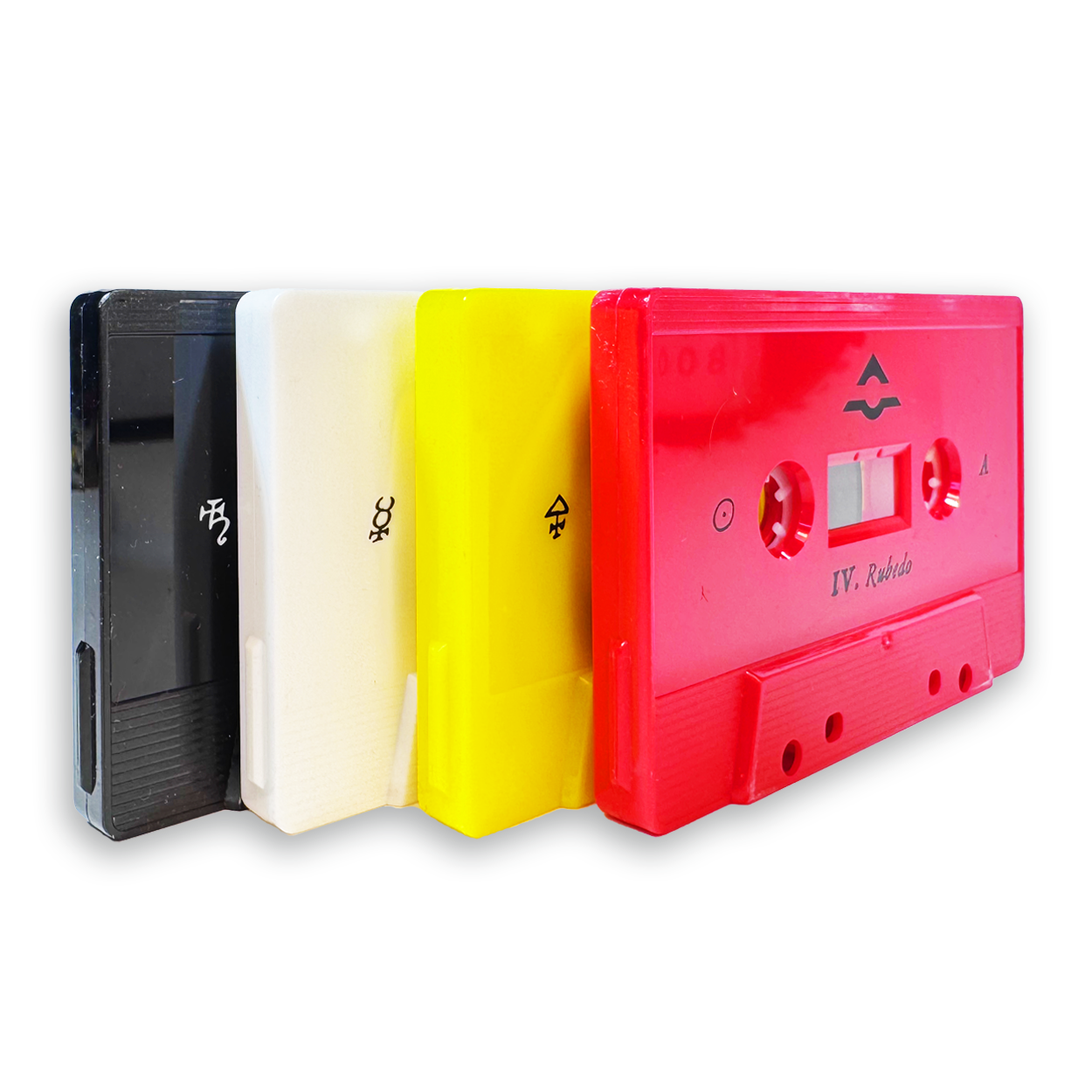
The Great Work is a four-cassette interpretation of the Hermetic Magnum Opus rendered in sound and symbol. It follows the ancient alchemical progression: Nigredo, Albedo, Citrinitas, Rubedo. Each stage a descent and refinement. Each color a veil. Each tape a chamber within the work.
The compositions are drawn from within The Canon. Familiar material dissolved, slowed, and reformed to reflect the qualities of each stage. This is not repetition but transmutation. The dissolution of the known in pursuit of something higher. The songs breathe differently here. Slower. Heavier. Submerged in the gravity of their transformation.
Where 33 stands as the still point between chaos and order, The Great Work turns around it. The same dualities refracted into stages. The same symbols rearranged as steps along the path. If 33 is The Crux, The Great Work is The Crossing. An extension of its architecture, its silence, its spiral.
The visual language mirrors the sonic progression. Nigredo opens in shadow. Albedo follows with reflection. Citrinitas carries the first awakening of light. Rubedo completes the cycle, the final reddening of the stone.
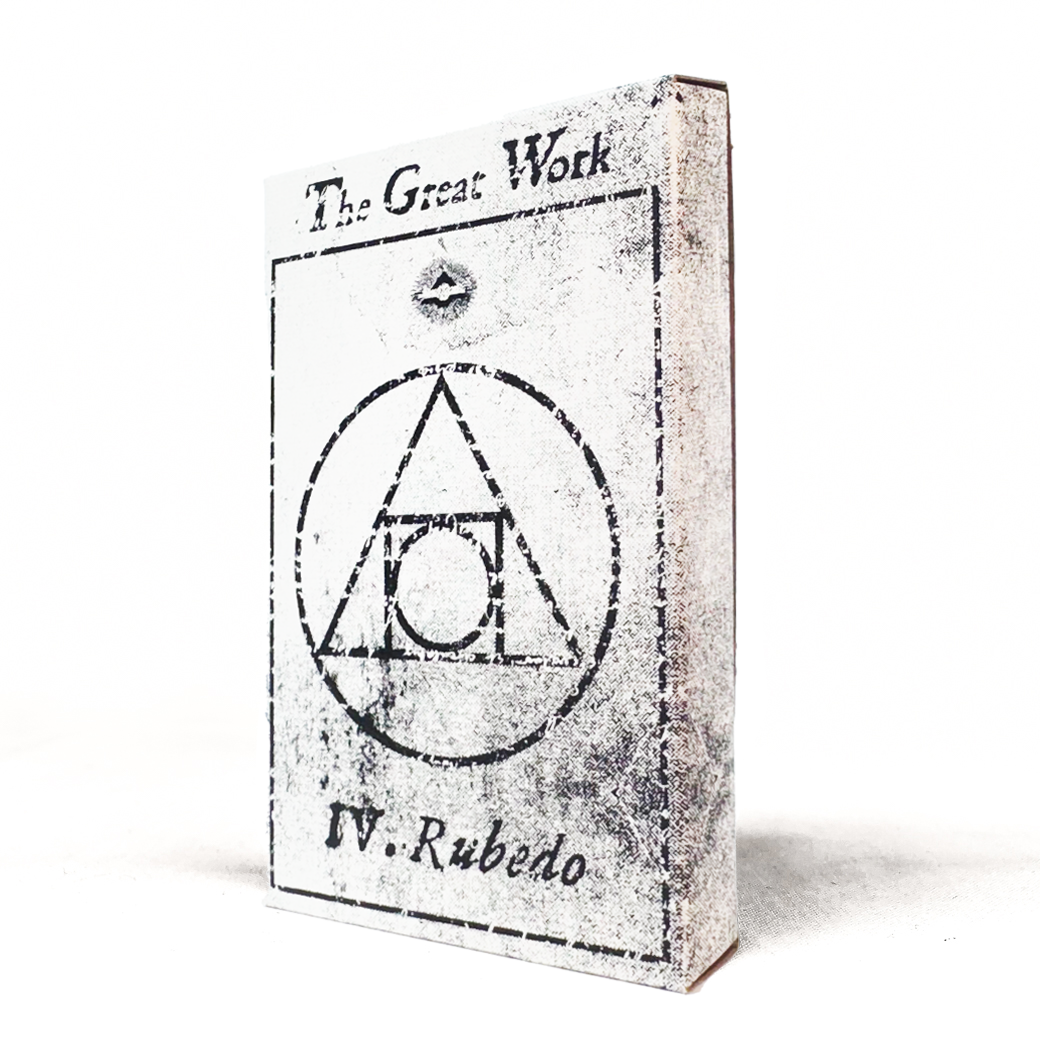
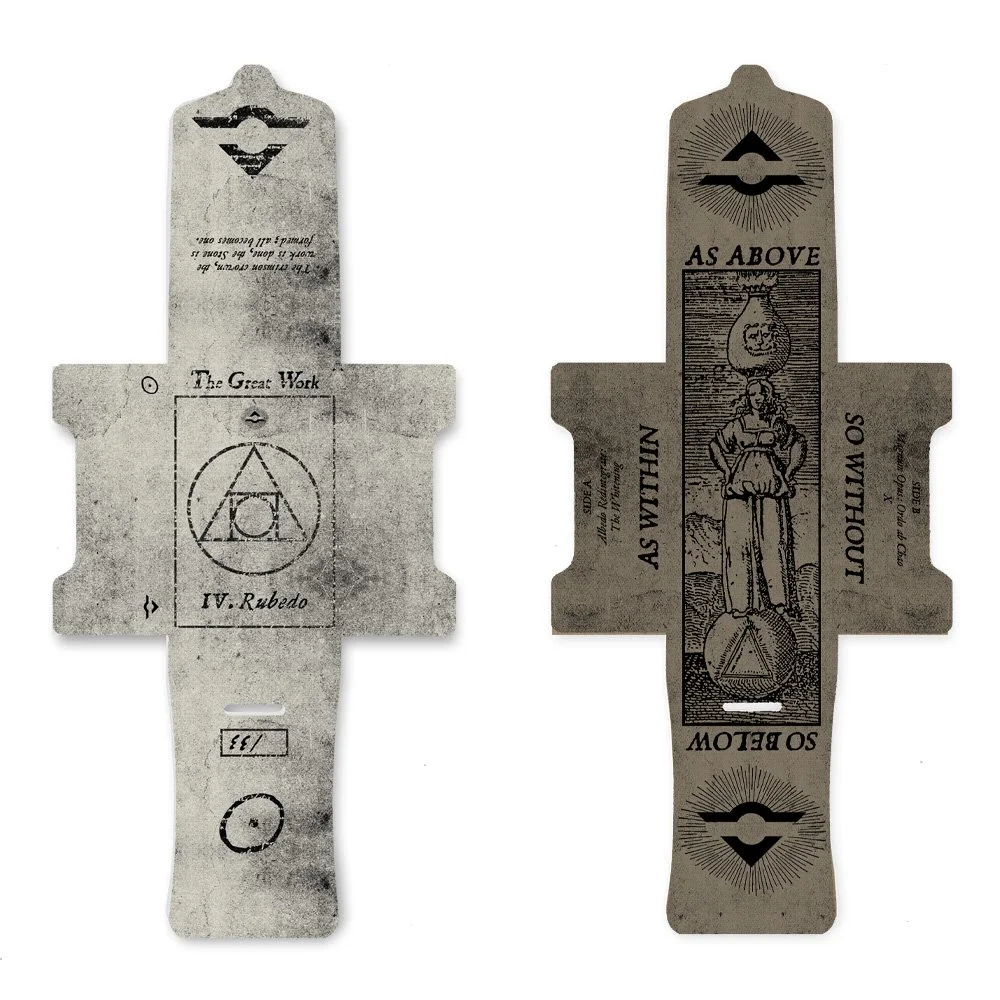
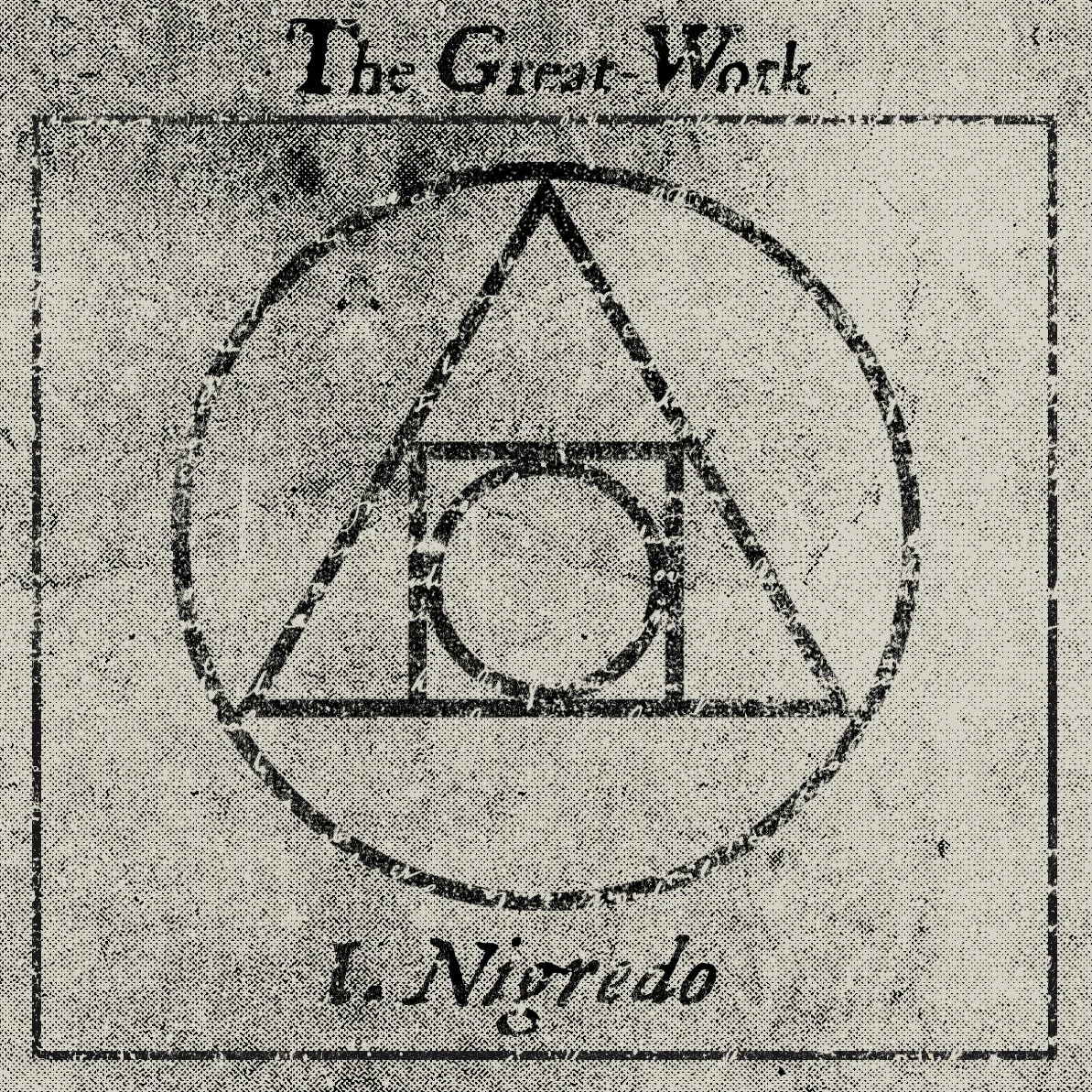
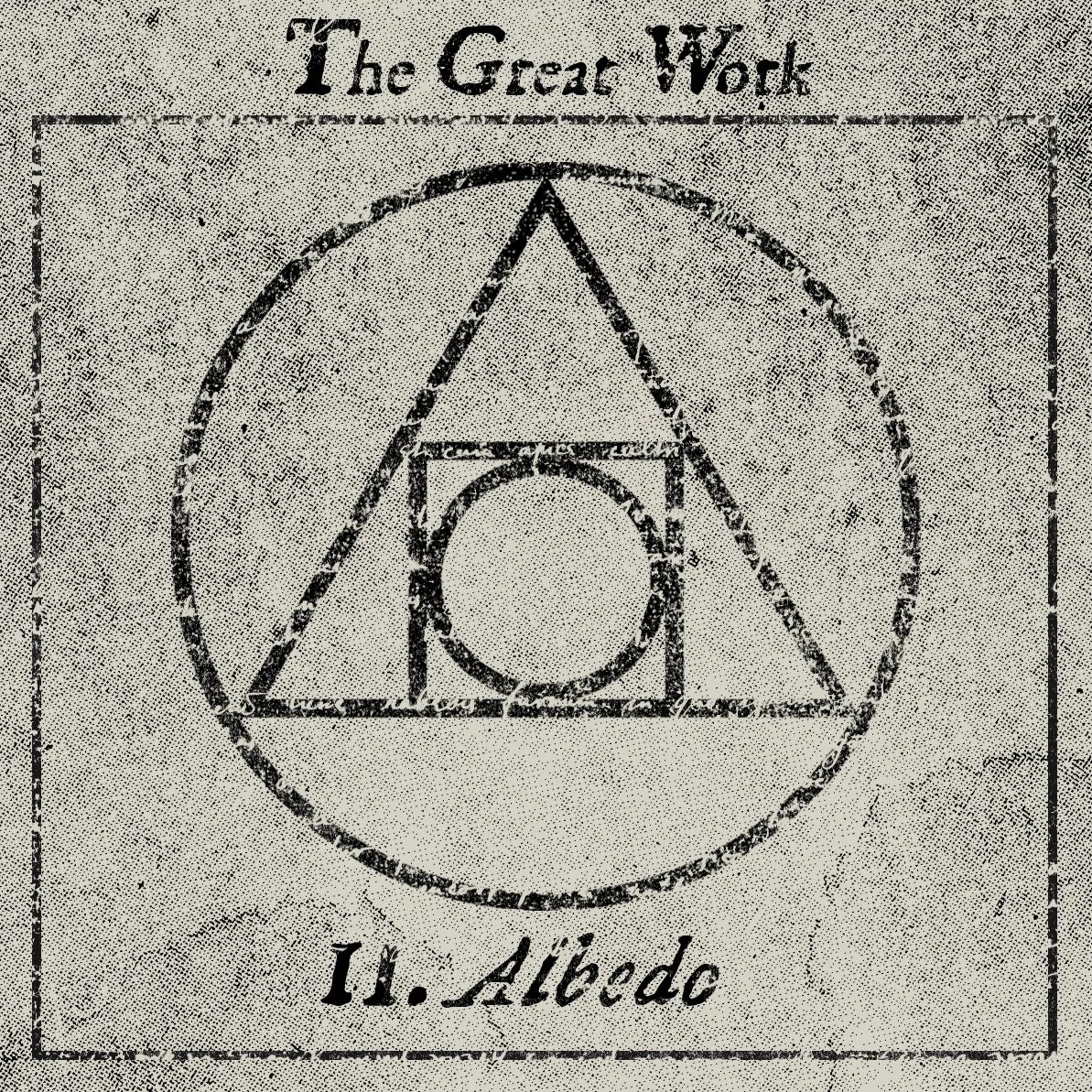
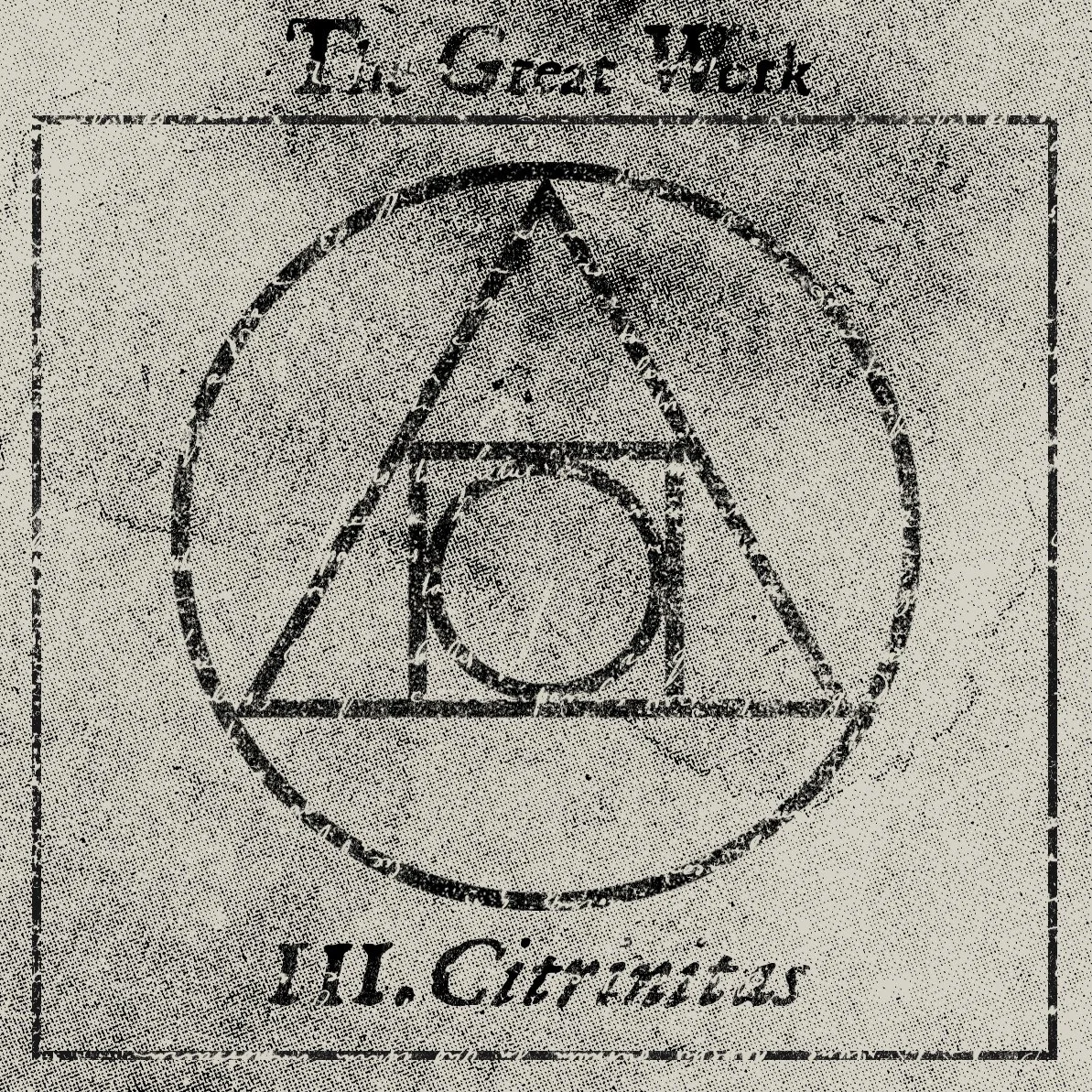
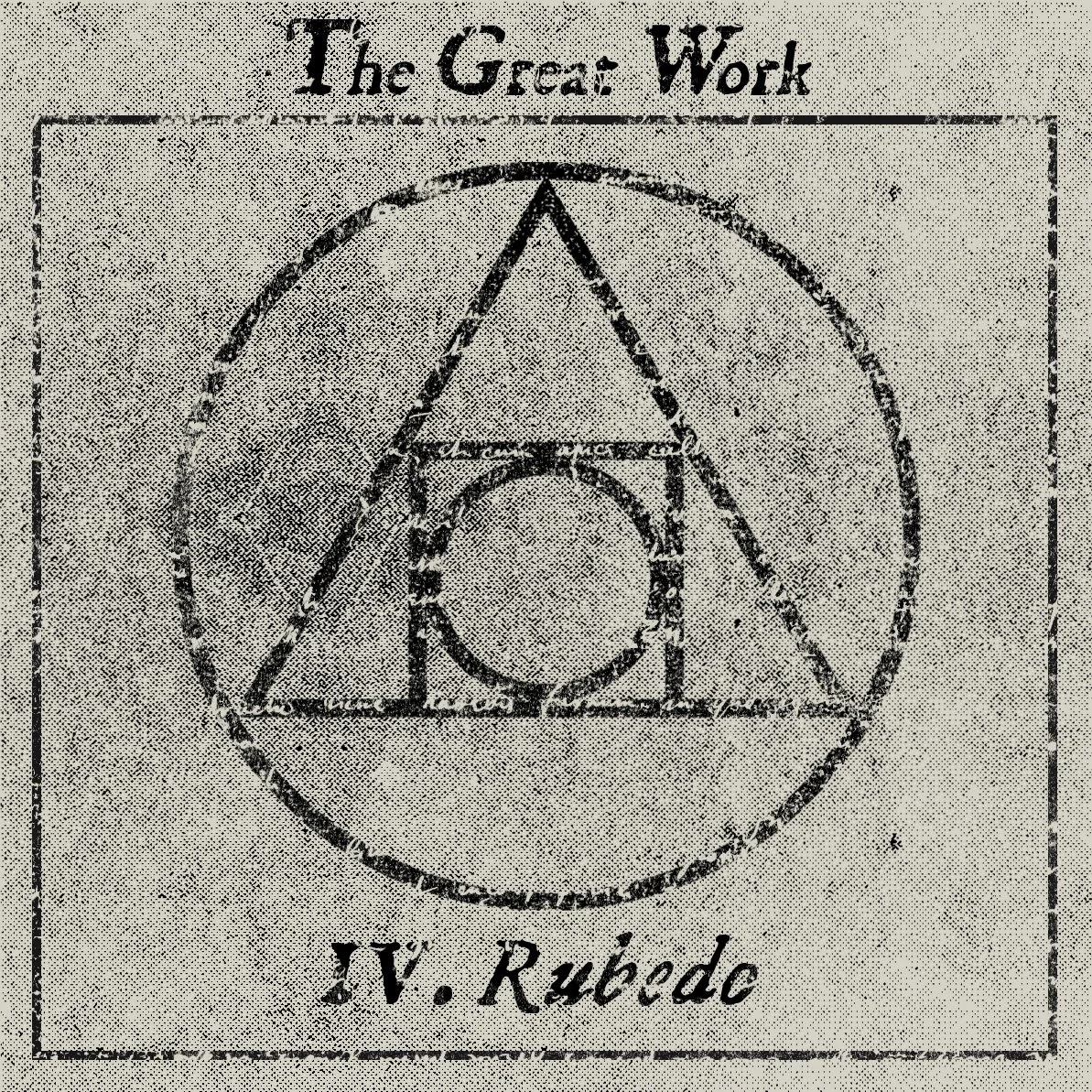
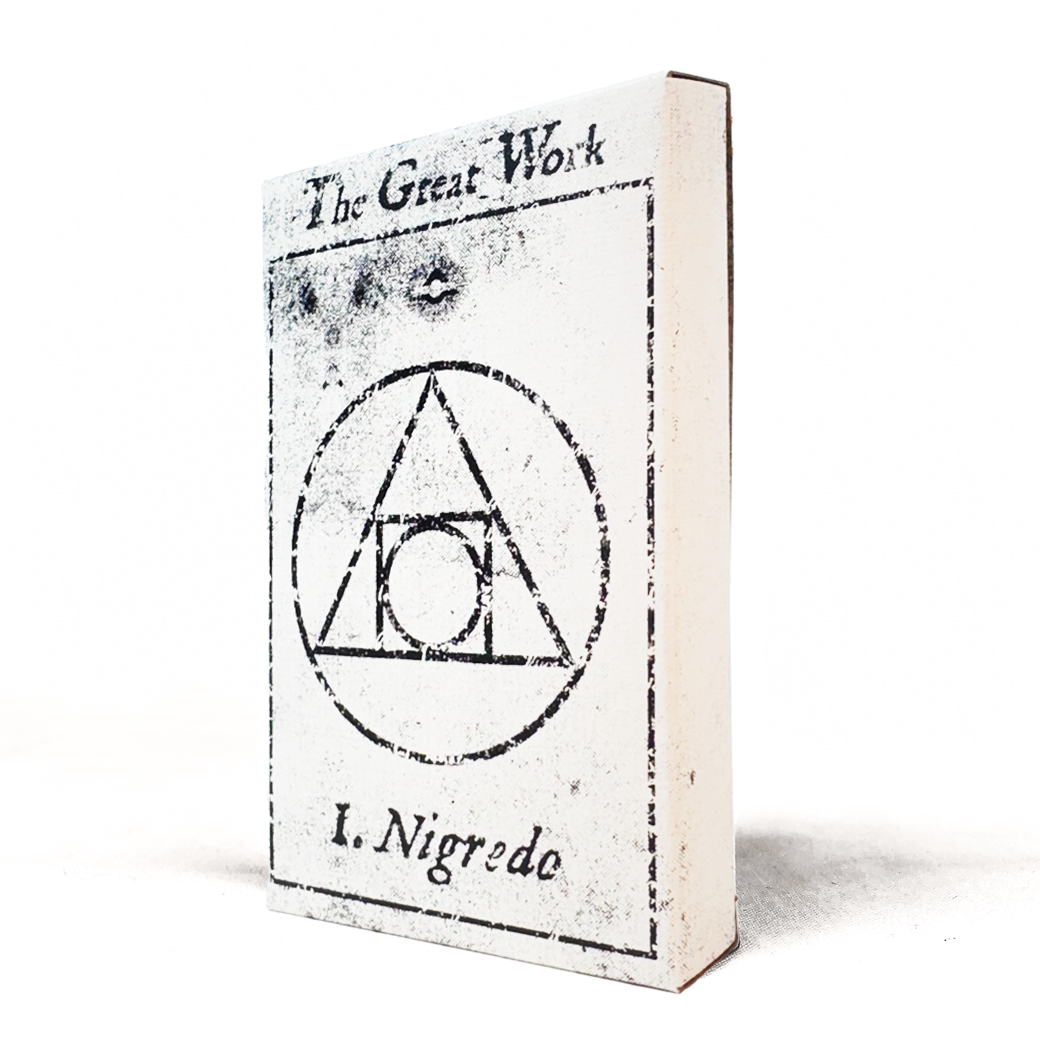
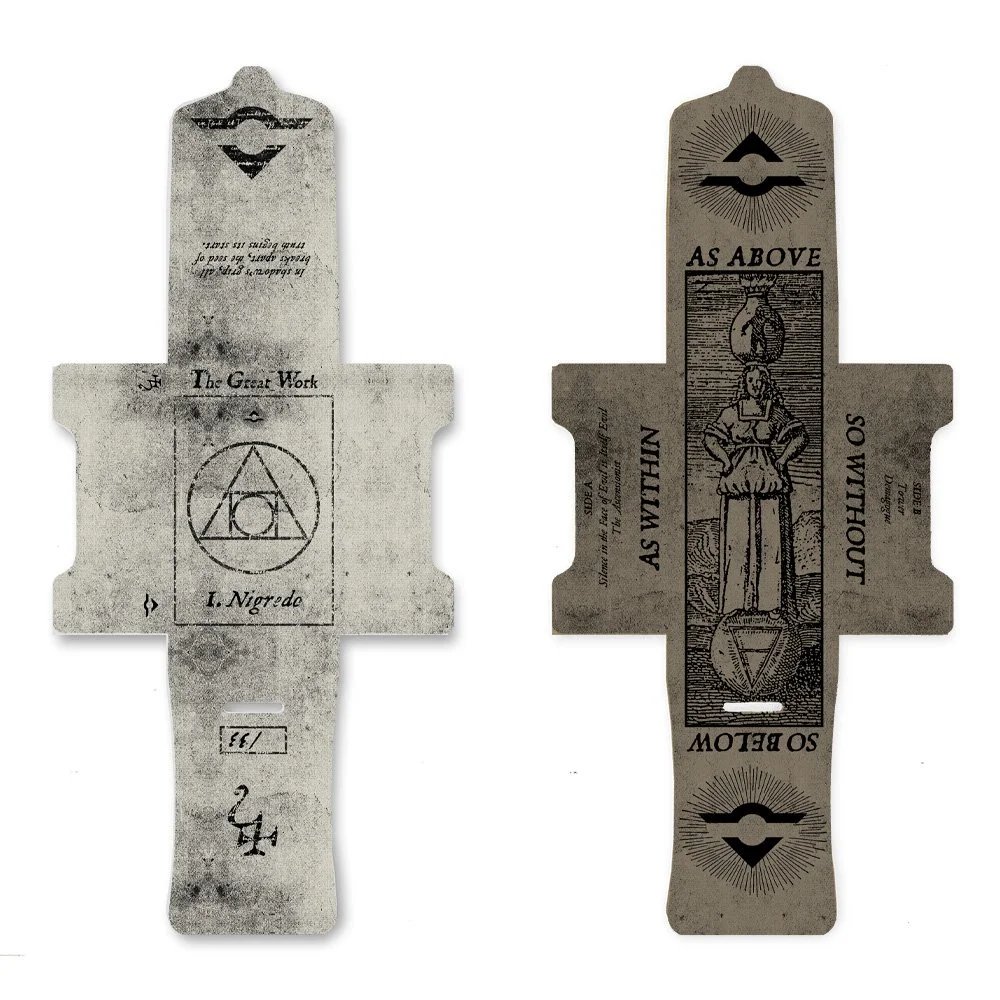
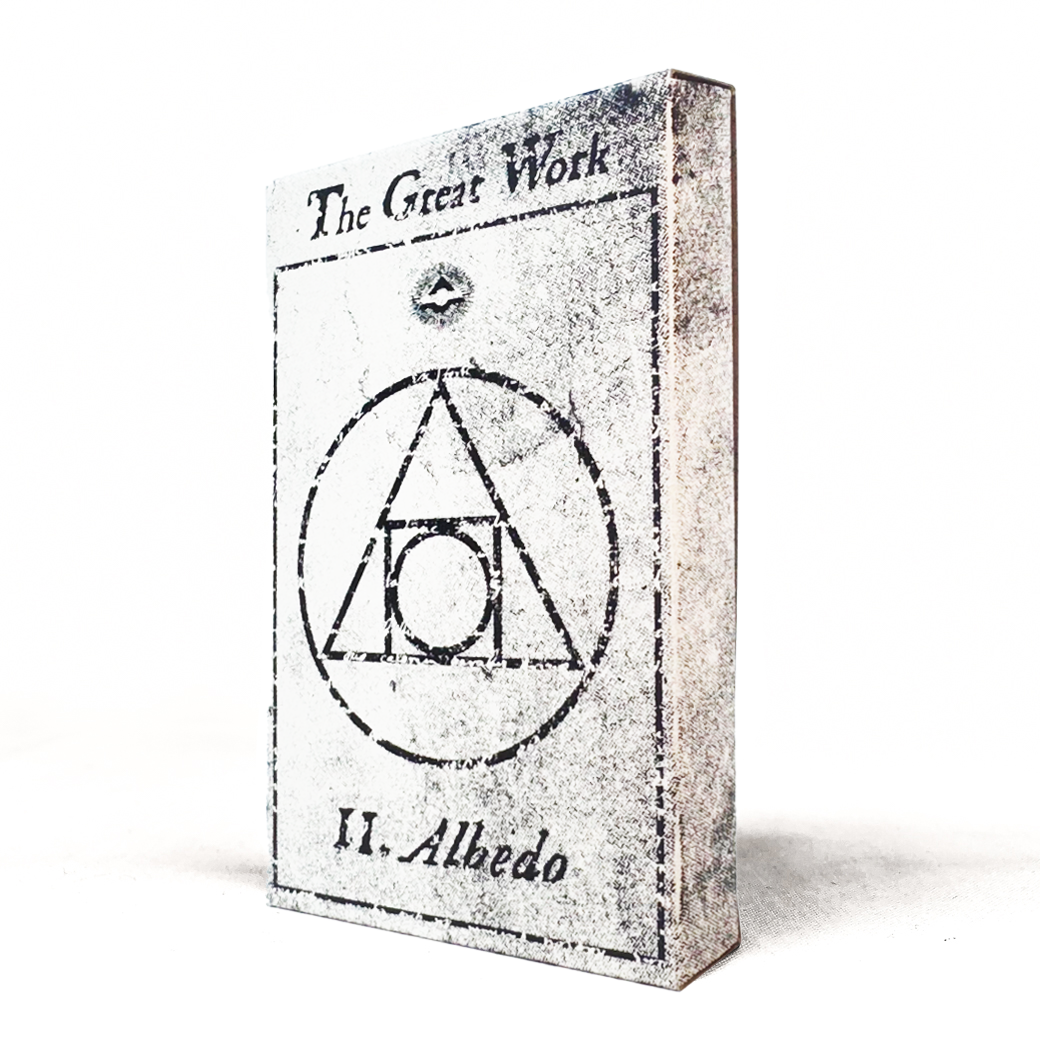
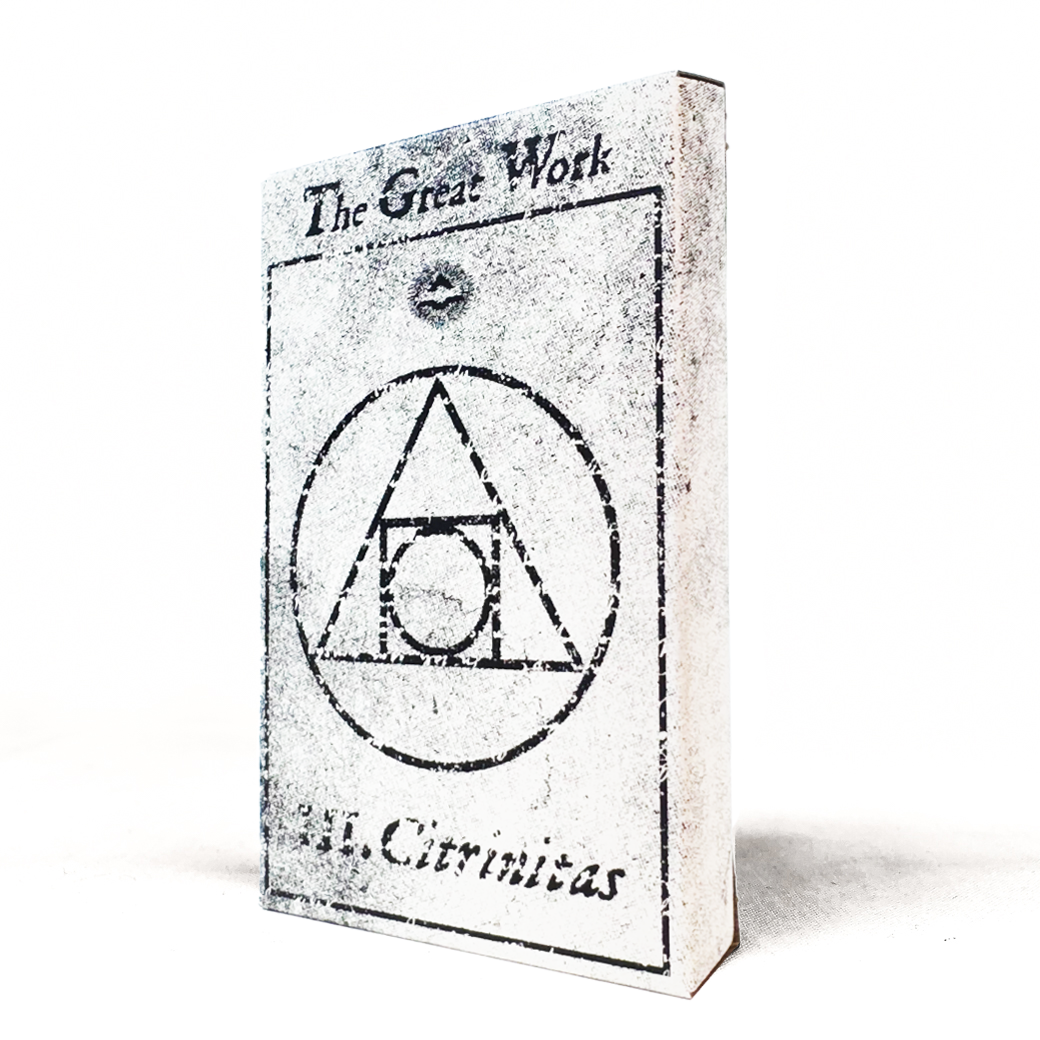
The cover bears a familiar glyph. Fig. 77. Originally hidden within the inner gatefold of The Confusion of Tongues. A symbol of squaring the circle. Unification through paradox. It now stands as the seal of The Great Work, appearing on each cassette cover and the accompanying shirt. Not decoration, but declaration.
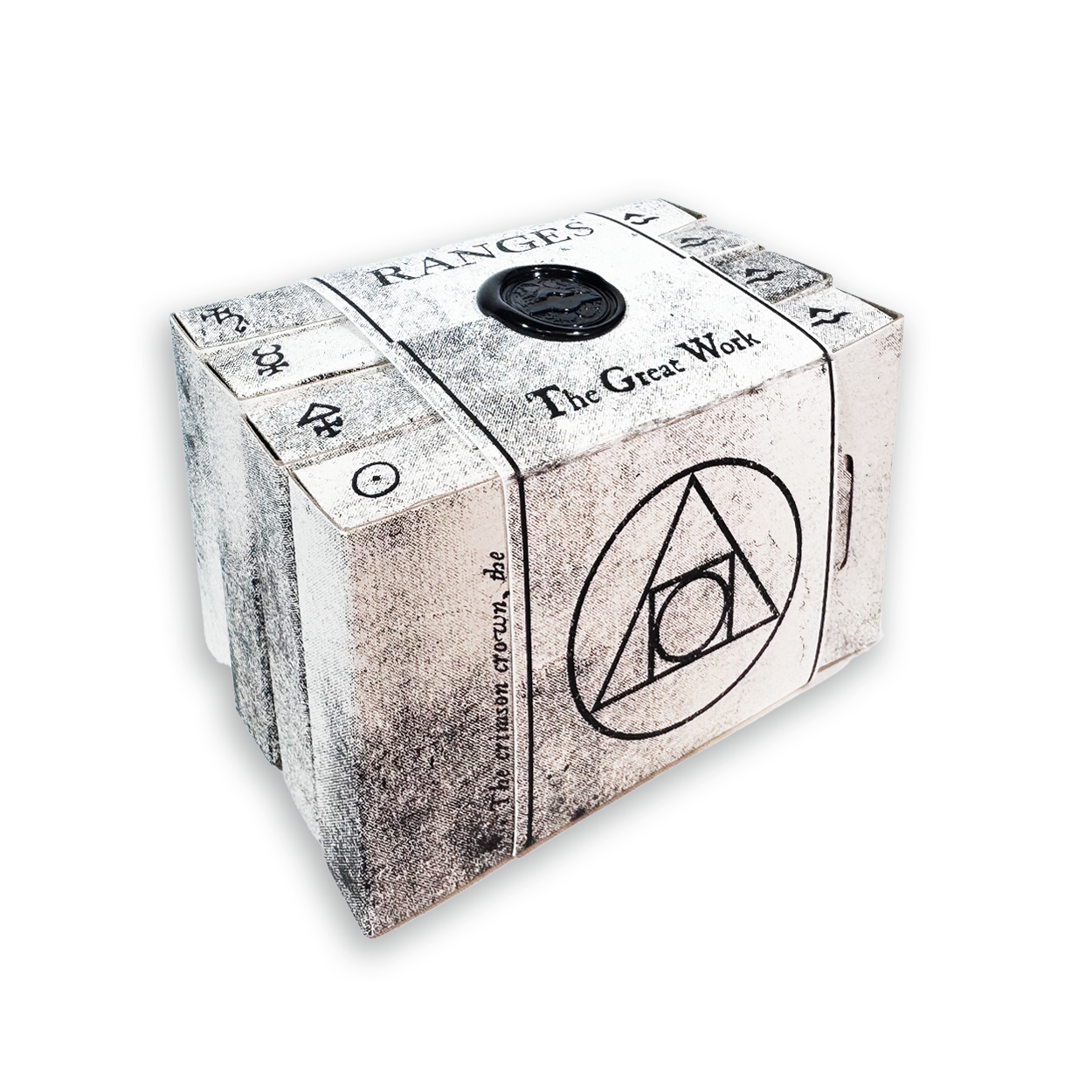
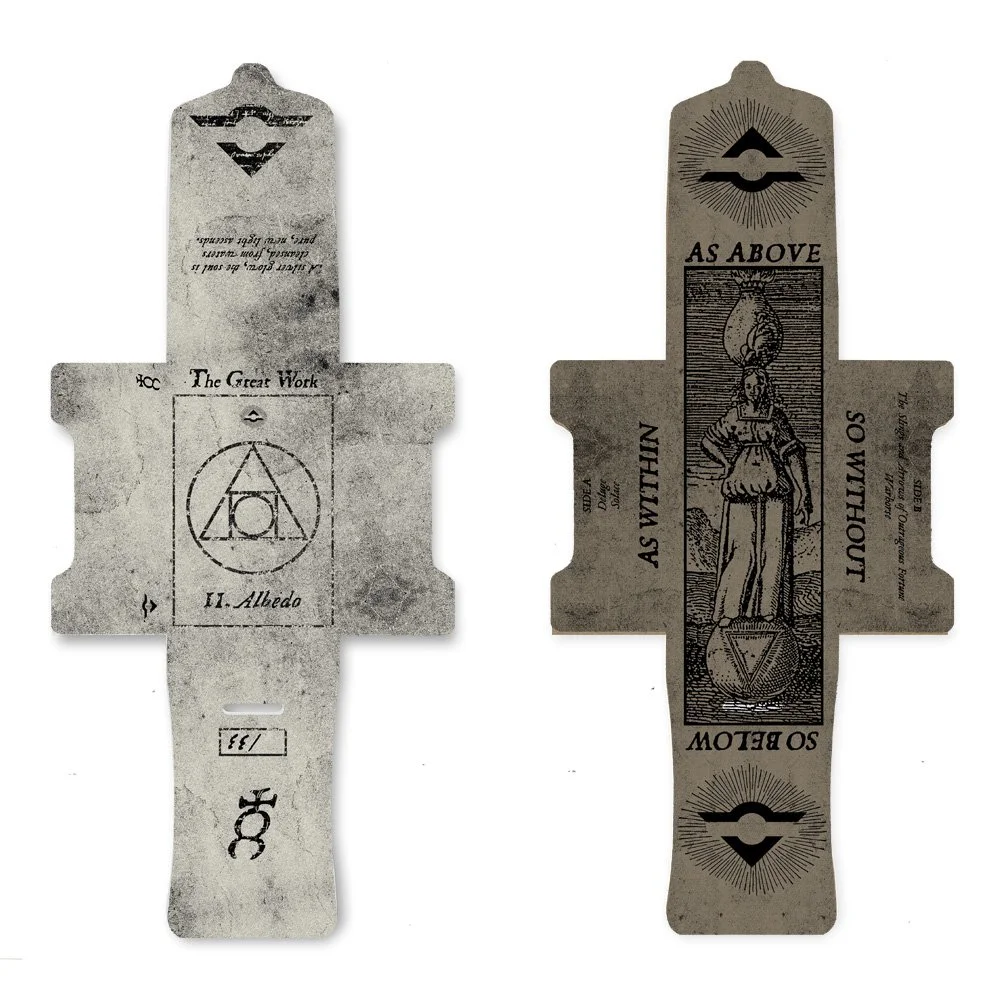
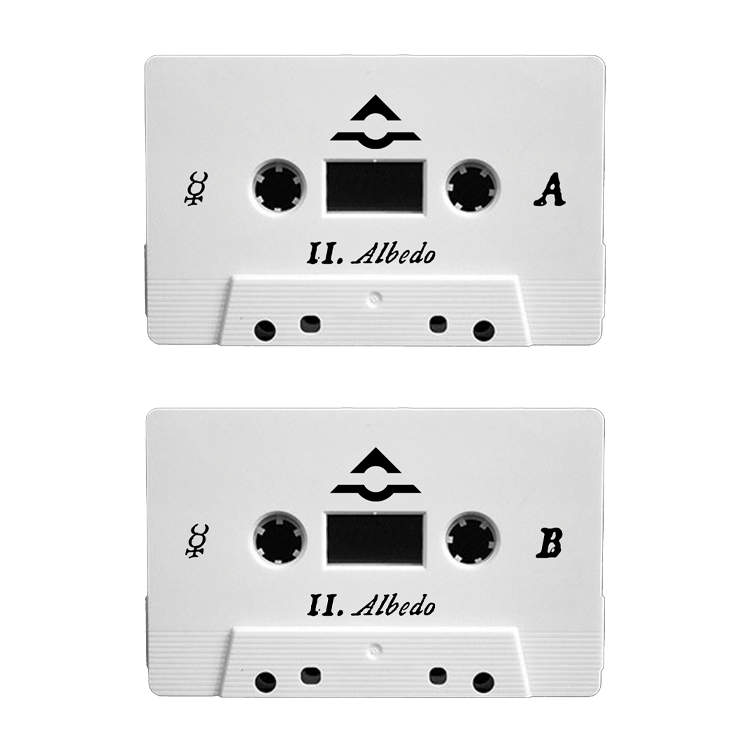
Each tape is housed in hand-printed detail. Numbered. Finite. The box is not packaging. It is an altar. A sealed vessel for a ritual in sound.
The Great Work is not meant to be collected. It is meant to be undergone. To pass through its stages is to mirror the self within the fire and discover what remains when the work is complete.

![RANGES - Fig. 77 [Shirt].png](https://images.squarespace-cdn.com/content/v1/6999df02ec0bd71c0e9498c6/1771691789112-CWQ15J4IDOLYZJJRBC4Y/RANGES+-+Fig.+77+%5BShirt%5D.png)
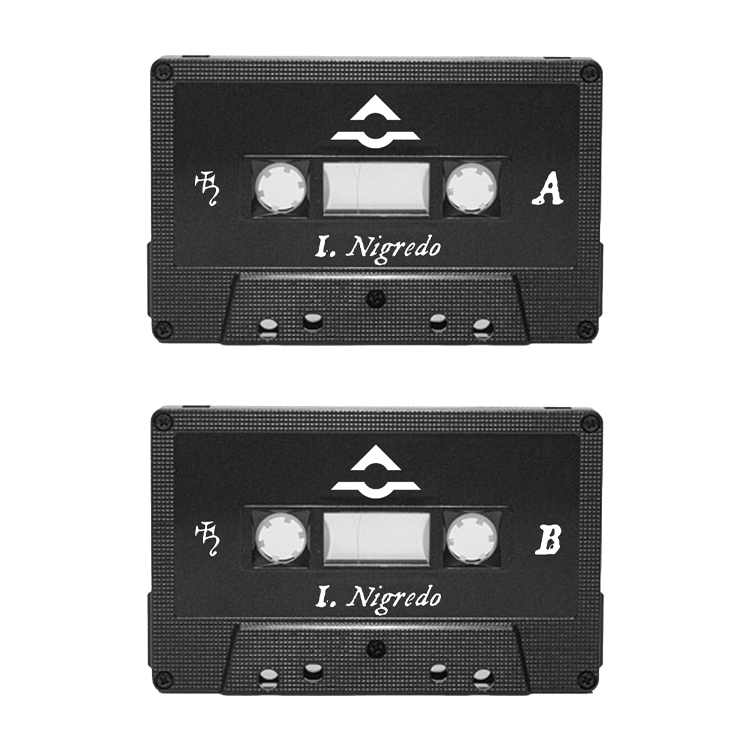
I. NIGREDO
Blackening. Dissolution. The death before the Work begins.
The first phase enters under cover of ash. Compositions drawn from Bonhoeffer, The Ascensionist, and Babel are stripped of urgency and light. Slowed, reduced, and rendered opaque. The familiar becomes foreign.
This is not a representation of Nigredo. It is an immersion in its atmosphere. Cold. Rooted. Quietly unraveling. The Work begins by stepping into the dark.
“In shadow's grip, all breaks apart,
the seed of truth, begins its start.”
II. ALBEDO
Whitening. Reflection. The clearing after collapse.
Emerging from shadow, the second phase brings distance and light. Compositions drawn from Cardinal Winds and 33 are reinterpreted with clarity and restraint. Washed in pale tones and stretched toward stillness.
There is no ascent here, only release. The textures remain sparse, open, reflective. If Nigredo is burial, Albedo is exposure. The mind begins to quiet. The mirror begins to clear.
“A silver glow, the soul is cleansed,
from waters pure, new light ascends.”
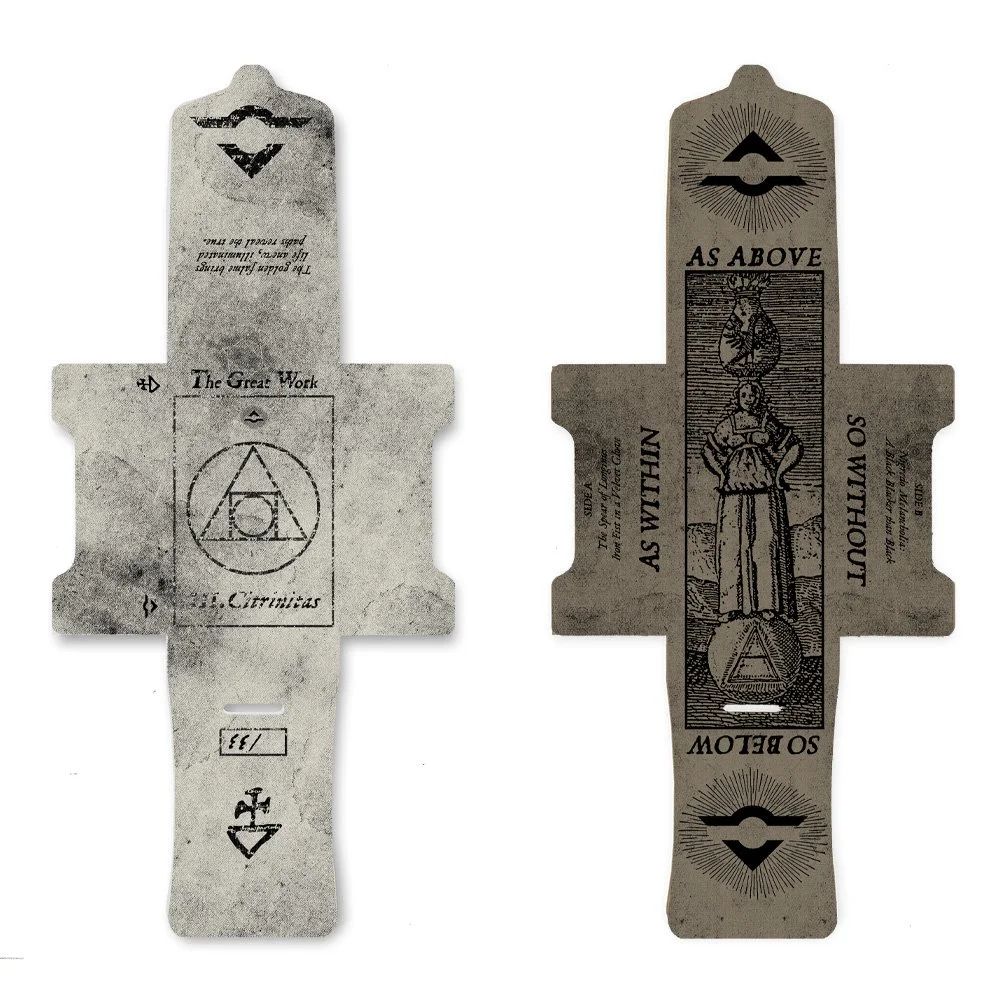
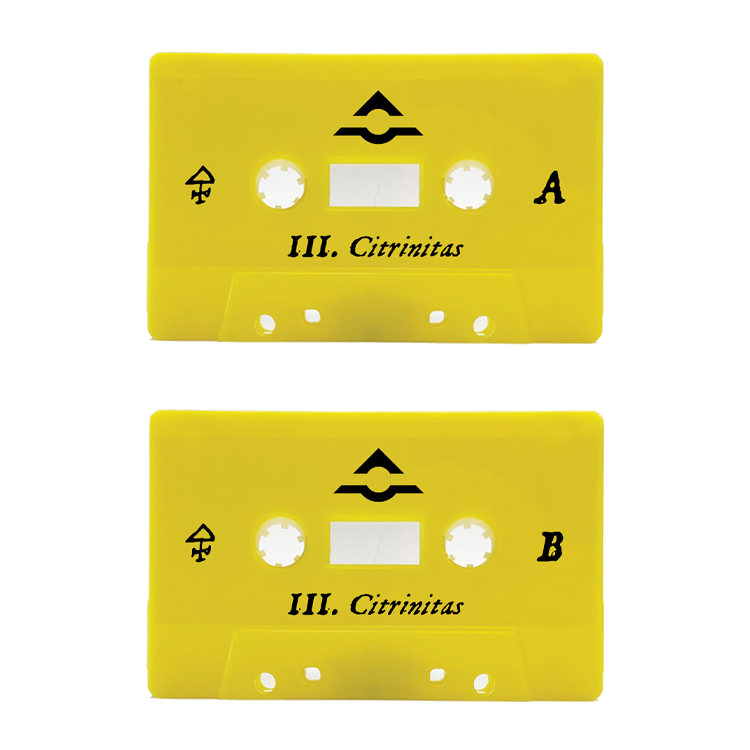
III. CITRINITAS
Yellowing. Awakening. The first movement toward the sun.
The third phase introduces light. Brightness without resolution. Drawn entirely from 33, these reinterpretations carry a quiet urgency. Shapes begin to reform. Patterns reemerge beneath the haze.
The sound does not rise, but it leans forward. There is warmth here, but also uncertainty. Illumination is not clarity. It is awareness. The Work begins to turn. The veil begins to thin.
“The golden flame, brings life anew,
illuminated paths, reveal the true.”
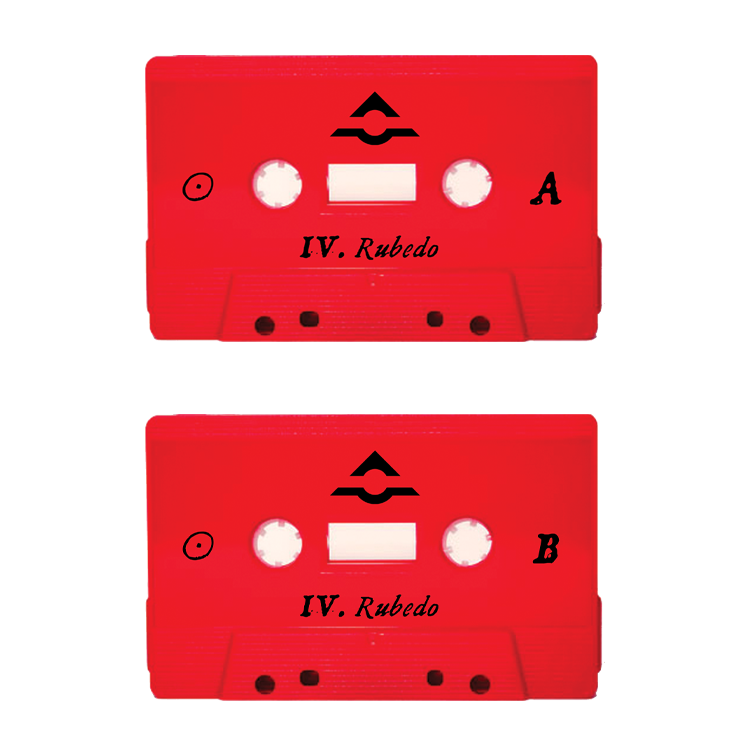
IV. RUBEDO
Reddening. Completion. The closing of the Work.
The fourth and final phase. The color deepens. The pace holds. The silence changes shape.
Rubedo is not a return. It is a settling. The work no longer in motion, but sealed. The circle intact. The stone unmoved.
“The crimson crown, the work is done,
the Stone is formed; All becomes one.”